
The Invisible Boundary Between Peak Fitness and Autonomic Exhaustion
International sport horses operate close to finely judged physiological limits. A show jumper may be asked to produce explosive power and precision across a demanding course, a dressage horse must sustain concentration and controlled expression, while an event horse faces the very different stresses of dressage, cross-country and show jumping within a compressed competition programme. In each discipline, conventional observation remains indispensable, yet the earliest signs of systemic strain can be subtle: a change in attitude, a slightly slower recovery, less fluent movement, or an unusually quiet response to familiar work.
Heart Rate Variability, commonly abbreviated to HRV, offers a non-invasive view of those hidden changes. It measures the small differences between successive R-R intervals, meaning the time from one heartbeat to the next as recorded by an electrocardiographic or suitable telemetry device. A horse can have a normal average resting pulse while the pattern between beats has already changed. That distinction makes HRV valuable for high-performance yards seeking information beyond a single heart-rate number, as outlined in this Authoritative Source.
With a consistent morning protocol, telemetry can help place daily training decisions on a more objective foundation. It does not diagnose lameness, metabolic disease or overtraining syndrome, and it must never replace a veterinary examination. However, it can reveal a developing mismatch between workload and recovery before the problem becomes visible in the arena. Used alongside gait assessment, appetite, sleep, behaviour, workload records and veterinary oversight, autonomic monitoring may help protect musculoskeletal resilience, welfare and the long competitive life of the horse.
Understanding Sympathovagal Balance in the High Performance Equine
The autonomic nervous system constantly adjusts the horse”s cardiovascular function to meet changing demands. The sympathetic branch supports alertness, cardiovascular output and the rapid mobilisation of energy during exercise, transport, competition and emotional pressure. The parasympathetic branch, largely expressed through vagal activity at rest, supports digestion, recovery and restoration. These systems are not simple switches. A healthy athlete moves flexibly between them, becoming activated when work requires it and returning efficiently to a settled recovery state afterwards.
HRV metrics describe different aspects of that regulation. RMSSD, or the root mean square of successive differences, is particularly useful for examining short-term beat-to-beat variation and is commonly interpreted as a practical indicator of vagal modulation. SDNN reflects the overall variability within a recording period, although its meaning depends heavily on recording length and conditions. Frequency-domain measures divide variability into oscillatory components. The LF/HF ratio has historically been used as an estimate of sympathovagal balance, but it should be interpreted cautiously because breathing, posture, recording duration, movement and the physiological meaning of the frequency bands can influence the result.
- RMSSD: Short-term variability that can help track day-to-day parasympathetic recovery when measured consistently.
- SDNN: Overall variation during the recording, useful for longitudinal comparison but highly dependent on the recording window.
- Resting heart rate: A broad cardiovascular measure that becomes more informative when assessed alongside HRV rather than in isolation.
- LF/HF ratio: A contextual frequency-domain measure that should not be treated as a definitive standalone reading of sympathetic activity.
Higher vagal modulation and a stable, individualised RMSSD trend may be consistent with recovery capacity, calm adaptability and readiness for normal work. Conversely, a sustained reduction in vagal measures, particularly when accompanied by a raised resting heart rate or behavioural change, may indicate that the horse is carrying more physiological stress than expected. Prolonged sympathetic activation can be associated with disturbed recovery, altered sleep and appetite, and a greater allostatic load, although HRV alone cannot establish cortisol status or identify a specific disease process.
Clinical research into autonomic regulation underscores the value of beat-to-beat analysis as a window into systemic recovery, while complementary biosensing technologies are expanding into dynamic metabolic tracking, as explored in recent research on wearable equine sweat lactate sensors. Across both cardiovascular and biochemical telemetry, the important practical principle is not to compare one horse with another using a universal “ideal” score. Thoroughbreds, warmbloods, ponies and horses at different stages of training can have different normal ranges. The meaningful signal is a repeated deviation from that horse”s own baseline under comparable conditions.
Telemetry Metrics and What They Reveal in Daily Practice
A useful telemetry programme converts raw data into a structured conversation between rider, trainer, yard manager and veterinarian. A single unusually low RMSSD after a late journey or demanding session is not automatically pathological. The question is whether the change resolves as expected, whether several markers move together, and whether the horse”s clinical presentation supports a training explanation or calls for investigation.
| Parameter | What it may indicate | Useful target trend |
|---|---|---|
| Resting heart rate | General cardiovascular load and possible stress or illness signal | Stable or returning toward the individual baseline |
| RMSSD | Short-term vagal modulation and recovery status | Stable baseline with an appropriate rebound after hard work |
| SDNN | Total beat-to-beat variability during the recording | Consistent values under repeatable conditions |
| LF/HF | Frequency-domain relationship requiring careful context | No persistent, unexplained shift from the horse”s normal pattern |
| Recovery trajectory | How quickly autonomic measures normalise after stress | Predictable recovery rather than increasingly erratic responses |
Strenuous schooling, cross-country or a demanding jumping session should produce acute sympathetic activation. Heart rate rises during work, while post-exercise vagal activity can temporarily fall. That response may be entirely appropriate if the horse returns toward baseline over the following hours or days. A more concerning pattern is persistent baseline depression, particularly when the horse”s resting heart rate remains elevated, RMSSD fails to rebound, or successive readings become unusually variable.
Elevated heart rate alone is not the same as autonomic uncoupling. Heat, excitement, pain, dehydration, infection, transport and environmental disturbance can all raise pulse. Autonomic uncoupling refers more broadly to a loss of the expected relationship between workload, recovery and variability. For example, a horse may show a relatively ordinary resting pulse but markedly reduced HRV and an abnormal response to a familiar training load. Such findings should prompt a review of the entire picture, not an automatic label of overtraining.
Establishing a Reliable Morning Telemetry Protocol in the Stable
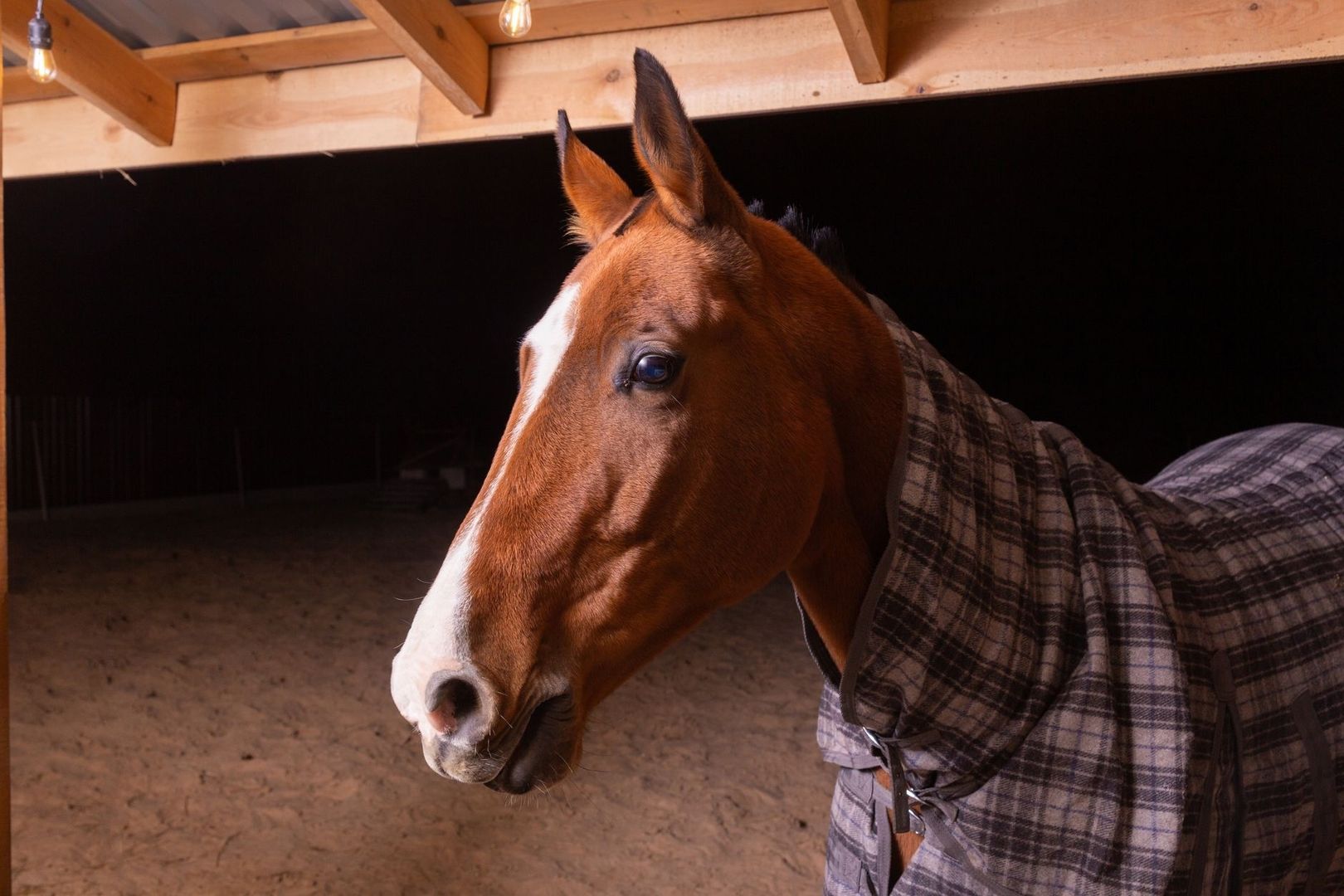
Data quality begins with routine. Measurements taken after feed, turnout, grooming, exercise, transport or a busy competition-yard disturbance are difficult to compare with quiet baseline readings. The horse should be assessed at approximately the same time whenever possible, in a familiar and safe stable environment, before the first feed and before the day”s activity creates avoidable sympathetic stimulation. Record relevant context, including sleep disruption, travel, medication, weather, illness exposure and the previous day”s workload.
- Prepare the environment: Use a quiet stable or designated monitoring area, minimise conversation and movement, and allow the horse to settle rather than recording immediately after arrival.
- Fit the equipment consistently: Use a validated equine ECG or heart-rate telemetry unit, place electrodes according to the manufacturer”s instructions, apply adequate conductive gel, and check that the girth-mounted unit is comfortable and secure.
- Check signal quality: Inspect the live trace for dropouts, implausible intervals and movement artefact. A calm horse standing squarely will generally produce a cleaner recording than one shifting, pawing or interacting with neighbouring horses.
- Record for five to ten minutes: Maintain the same posture, location and procedure for every session. Do not selectively discard inconvenient results without documenting the reason.
- Annotate the reading: Link the measurement to training load, travel, competition, feeding, veterinary treatment, sleep and observable behaviour.
- Build an individual baseline: Establish a rolling reference over repeated mornings, then compare current values with the horse”s own normal range and recent trend.
Electrode placement is a practical detail with major consequences. Poor contact, a loose strap, dried gel or excessive movement can create false R-R intervals and distort RMSSD or frequency-domain calculations. The unit should never interfere with breathing, girth comfort or natural posture. Staff responsible for collection should be trained to recognise artefact and should know when a recording must be repeated rather than interpreted.
A five-to-ten-minute resting measurement is a useful operational compromise for a professional yard, but consistency matters more than ritual precision. Elite European stables and international tours should preserve the same protocol as far as conditions permit, even when horses move between home yards, showgrounds and temporary stabling. A travel-day reading may be valuable, but it should be labelled as such rather than merged uncritically with quiet home-baseline data. Guidance on standardised recordings and physiological assessment is established in authoritative heart rate variability methodology guidelines.
Distinguishing Productive Conditioning from Subclinical Overtraining
Training stress is not inherently harmful. Productive conditioning depends on applying a stimulus, allowing sufficient recovery and observing an appropriate adaptation. After cross-country, intensive interval work or a concentrated jumping session, RMSSD may fall temporarily as sympathetic demand remains elevated. A healthy response is a gradual return toward baseline, followed by a stable or improved pattern as the horse adapts. That rebound should be interpreted alongside performance, appetite, demeanour, musculoskeletal comfort and veterinary findings.
The more concerning pattern is a red-flag triad consisting of prolonged low vagal tone, elevated resting heart rate and erratic recovery across several readings. Other warning signs can include reduced willingness, repeated minor illness, persistent soreness, poorer concentration, disrupted sleep, unexplained weight change or a decline in familiar performance. These findings are non-specific. Pain, infection, gastrointestinal disease, endocrine problems, transport stress and inadequate nutrition can produce similar changes, so persistent abnormalities require veterinary assessment rather than simply reducing the next session.
- Reduce intensity when the horse shows a repeated baseline deviation rather than a single isolated result.
- Replace maximal jumping, speed work or repeated collected efforts with quiet walking, appropriate hacking or carefully prescribed active recovery.
- Review forage intake, hydration, electrolyte strategy, travel demands and sleep opportunities with the veterinary and nutrition teams.
- Examine workload progression across several weeks instead of judging the most recent session alone.
- Reassess gait, back comfort, feet and limb structures if altered neuromuscular timing or reluctance appears.
Subclinical fatigue can matter mechanically even before obvious lameness develops. A horse that is less neurologically fresh may show small changes in coordination, postural control, take-off judgement or landing stability. Repeated compensations can increase stress on the suspensory apparatus, tendons and other load-bearing structures. Telemetry cannot prove that an injury is developing, but it can help identify a horse that deserves a more conservative plan and closer examination.
Practical recovery may include a reduced week, controlled walking, relaxed flatwork, turnout where appropriate and unhurried hacking on varied terrain. A Normandy-style hacking programme, conducted safely and adapted to footing, weather and the horse”s clinical status, can provide mental variation without turning recovery into another demanding training block. Wearables should remain decision-support tools. Emerging veterinary guidance emphasises that sensors may identify deviations from an individual baseline, but they do not replace palpation, gait assessment, imaging or clinical judgement.
Elevate Your Stable Management with Objective Autonomic Intelligence
HRV telemetry gives established horsemanship an additional layer of precision. The experienced rider still notices expression, rhythm, elasticity, appetite and willingness, while the veterinarian interprets those observations within a clinical framework. A standardised autonomic record adds a repeatable physiological trend, helping the team distinguish an ordinary response to hard work from a recovery pattern that is becoming persistently abnormal.
The most effective programme is deliberately modest: collect a clean morning reading, maintain a detailed training and health log, review trends at scheduled meetings, and agree in advance what combination of changes should trigger lighter work or veterinary examination. Used in that disciplined manner, HRV can support welfare, reduce avoidable training errors and preserve the resilience required for international competition. The objective is not to chase an impressive number, but to keep each horse sufficiently recovered, attentive and physically secure to meet the next demand with confidence.